Category Archives: SY Mariadz

Music

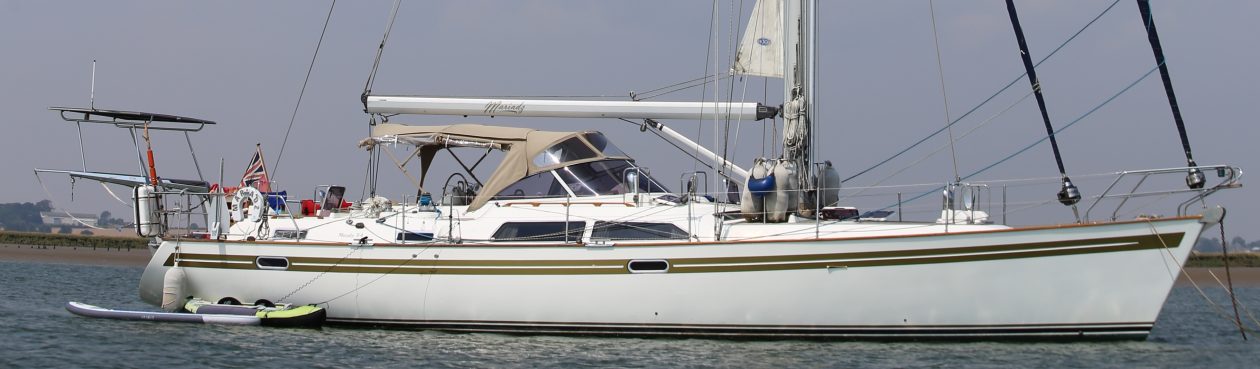
imageMaria and I both enjoy our music and when we bought the boat there was an adequate stereo that fed speakers in the saloon and cockpit. This was an area we had improved in the Dufour by buying a Bluetooth enabled stereo that could link to any device. We decided that the same would work well on the Moody.

I have noticed on car stereos before that some come with a remote control. Why would you need that? You are next to the stereo, it is probably easier to press the button on the radio itself, isn’t it. And who wants to leave someone in the back of the car with control of the music – a recipe for disaster and probably a bit of Abba (same thing in my eyes, sorry Amanda!). However, on a boat, Bluetooth to your own device and a remote control come into their own. We will quite often set the volume at a reasonable level and then fine tune it with the iPad volume control, usually that means turning it up when Maria’s favourite song comes on 🙂

This was the best 100 pounds I spent on the Dufour and it makes everything so convenient on the Moody.

Of course those that know us well will know that Maria also has a fully portable Karaoke setup (bookings now being taken for her world tour…) and also a portable speaker “brick” from Bose which is excellent especially in a cubby hole or against a wall.

Let’s just say that the music options are covered. I wonder if I can dig out a video at this point of Maria singing……

Yanmar engine – why maintenance is so important

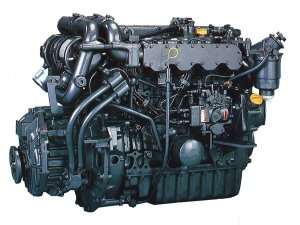
As part of the purchase of the Moody, we had commissioned a survey of the vessel which included a basic survey of the engine.  It would have been possible to 4jh2-utbe_referencehave a full engine survey, and with hindsight this would have been money well spent, on an engine with 3,000 hours on it.  Our surveyor did his initial review of the engine both out and in the water and didn’t report anything amiss.

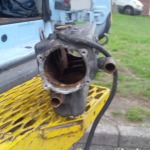
We had been out in Mariadz a few times as we got used to her but had noticed that there was a little smoke and felt that we should get the engine looked at.  We decided to leave it until the back end of the season and started this work in October 2013.  We asked for Travis Westwood to look at the engine for us, he had previously done some work for us on the Dufour and we felt that this had always been reasonable.  engine corrosionWith apologies for the poor quality of the pictures, Travis reported a disaster on both the generator (another story) but also on the engine.  The picture shows an extensive amount of corrosion in the heat exchanger which means that the entire unit needed to be replaced and we were lucky not to have caused serious issues when using it.  At the same time it was clear that the “recent service” that had been done would have identified these issues and if detected early, the problem we now found could have been avoided.  I had the receipt for the most recent service which had been an oil and filter change.  I compared this with the Yanmar recommended checklist for a 3,000 hour service….clearly there had been some mistake.

I decided that in view of the state of the engine and the fact that it had been serviced a matter of months previously that I would speak to the engineer who had done the service.  This gentleman in the Solent area, who specialises in Yanmar, was happy to tell me that he was in fact the engineer that had originally fitted the engine into the Moody and he was happy to help.  He wasn’t quite so happy when I started to ask him about his more recent dealings with the engine. I asked him why he had not serviced the Yanmar engine in line with the manufacturers stipulations.  His first reaction was to say that the Yanmar instructions in the engine manual did not need to be followed! Frankly I found that attitude unbelievable. He then added that he had been specifically told by the owners not to service the engine correctly, and just to change the oil and filters.  This is exactly the same service he had performed on the engine three years previously when it had last been professionally serviced.  Having met the Sharpe’s who sold us the boat, and knowing that they are not marine engineers, I did not believe that they had specifically told the engineer not to service the engine in line with the manufacturers requirements.  I am sure they just wanted the engine serviced before selling.

So we had the engine serviced in line with the recommendations for a 3,000 hours service.  This included injectors being serviced amongst other things.  It also included a completely new heat exchanger at great expense – thousands of pounds.  this work was done by Travis who at the time was the marine engineer who did most of our mechanical work.

At the end of all of this work, the engine ran well although a little smoky from cold, which is apparently to be expected.  It also meant that we realised at some stage in the future and before we left on our trip we would need to have the engine thoroughly reviewed to make sure we don’t get a very expensive repair or even worse replacement as we go round the world.

Electric toilets and pipes

Apparently there are few jobs worse than a blocked toilet on a boat, I can use the term “heads” but trying to be inclusive will use a term that non-yachties will understand. Anyway, no one wants to have to work out the blockage in a toilet system in a confined space with some pretty nasty smells and mess. It is bad enough in a domestic setting, a boat is much worse.

So it was with great joy that we found on our second use of the boat, that the toilet system had blocked. The problem is that the waste pipes that carry the water and human waste to the holding tank get a deposit within them caused by urine reacting to the salt water. Over time this builds up until the pipes can take very little without blocking. It almost becomes like the Greek model where the only thing allowed down the toilet has to have gone through you. Mariadz still had the original pipe work, and clearly the toilets had been used a fair bit….try not to think about that too much because the circumference of the pipe had reduced from an inch and a quarter ( as I recall) to less than the diameter of a 5p piece. So what is the cure? You have a choice here. The first option is to plug both ends (very important that bit) get the pipe off the boat (very difficult that bit) and thrash the pipe on the floor (just urgh! And what happens if you haven’t plugged it effectively??) to shift the deposit before replacing said pipe. The second is that you do the important and difficult bits before throwing away said pipe and replacing with brand new, clean perfect pipes. Now we are not ones to shirk a nasty job and in fact Maria helped Stevie from Watercraft UK to do this for us. Our concern was that firstly, you needed to be sure that the amount of thrashing was sufficient or you were going to be doing the whole job again very shortly. Secondly, the pipes were 15 years old and likely to be brittle, what was the chance of a minor split being introduced by the thrashing resulting in a glorious and messy hunt for a hole in the pipe that you can guarantee would be in an inaccessible place and was resulting in a rich aroma of human waste emanating from the bilge? We calculated the chances…..it was 0.00000001%. We decided it was just too risky. Brand new pipes were installed. That sounds simple, it isn’t. The pipe runs on a Moody are difficult and it took a lot of work to get the pipes out at all, in fact some had to be cut – lucky we were replacing them! The new pipes were a little easier to get in not least of all because we did change some of the routing to make this simpler.

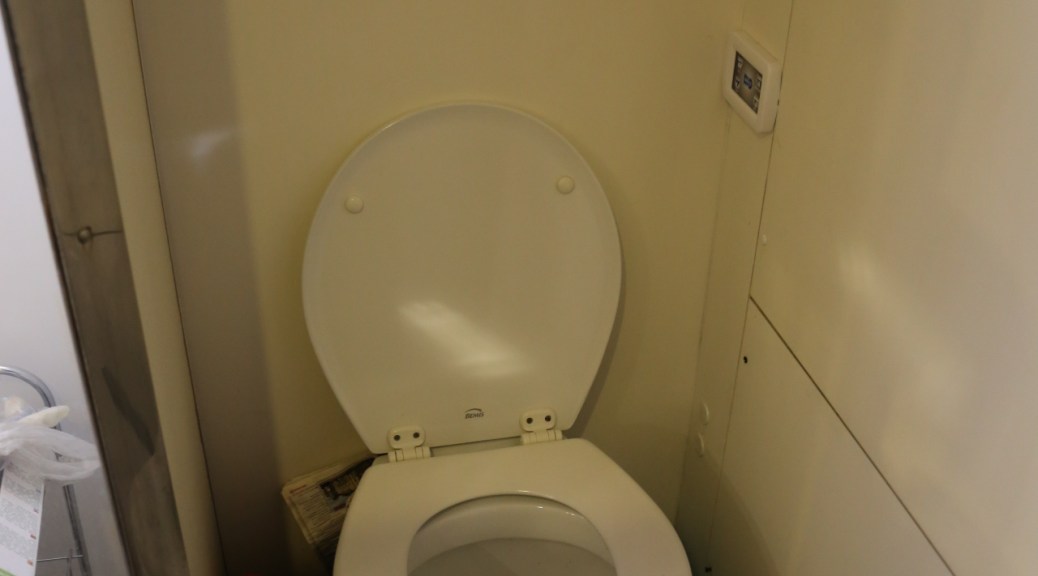
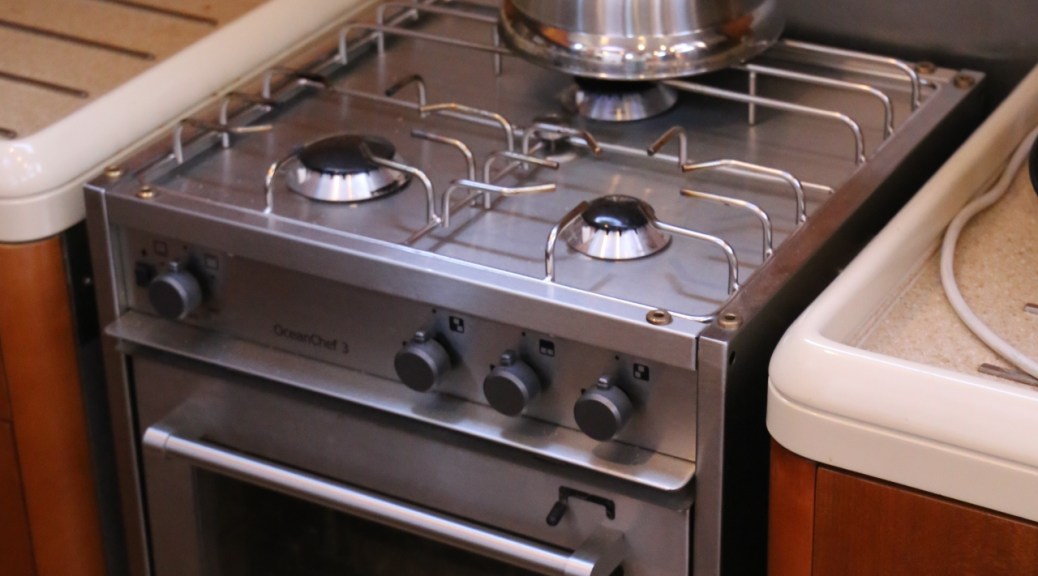
The second part of the operation was to review the toilet in the state room. imageIn most marine toilets, you have enjoyable, and fitness enhancing pump action where you first fill the toilet with water before evacuating it into the pipe work, finally cleaning with another few pumps. On Bavarias and Dufours, six pumps three times was adequate. With the Moody and its unique, read very long, pipe work you would be best at around about twenty times three unless you would like to leave something in the pipe work to react with sea water and return us to the fine mess we had started with. This would then involve thrashing again, and this time I imagine a) i could be the recipient and b) I would be certainly doing the messy bit on my own since Maria had done her stint and knew how gross it was! The advantages of an electric toilet are many. Firstly, it is likely to have a macerater built in which chops up everything going into the pipe into small, easy to digest (for the pipe work) chunks so no mess 🙂 Secondly, there is a pump for the water so no hand cranking sixty times, massively improving upper body strength but no fun.
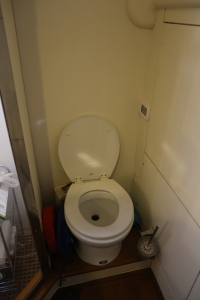
So that will be two electric toilets then. No. The clue is in the title, electric toilets require electricity. What if there was a problem with power for some reason. We don’t want to be using a bucket (and chuck it!) – that would be another thrashing and this time not for the pipe. We decided to leave the forepeak toilet as a pump action so that, in the event of a total power failure, we still have the use of a loo. Of course it means that guests of Mariadz also get the opportunity to develop their biceps and tone their upper body. It also means that I go into the heads and give it a thorough pump through, 180 pumps (hey I’m a fitness freak 😉 ), after visitors.

The upshot is that we expect that with the precautions we have taken, and the cheapest degradeable toilet paper known to man, we are hoping that we will not have to deal with blocked pipes again in our time of ownership – That is how bad it is!

I can’t believe that I have written so much on toilets! Tune in next time for something even more tedious and gruesome 🙂
Heated towel rail

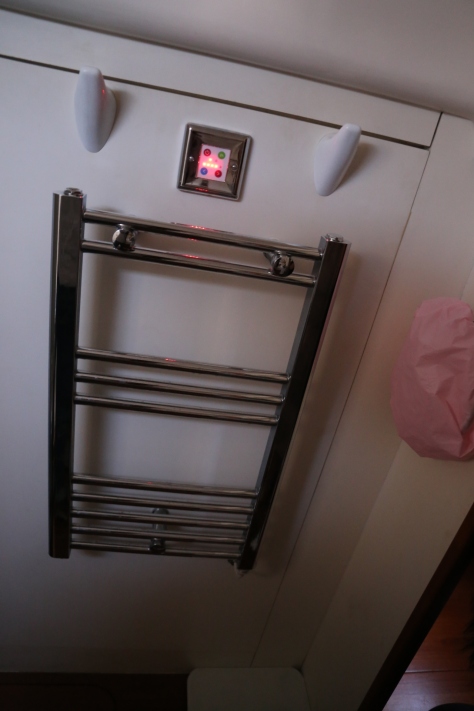
I may have mentioned Mornin’ Gorgeous a few times during the purchase of our Moody 54, but it has to be said she was an inspiration for some of the things to do. Another one of these ideas was the fitting of a heated towel rail in the state room heads. On the Dufour we had used the shower once, the emptying of the shower using the pump made a lot of noise and the boat seem to shake, there was also water left in the system which would come across the heads when we heeled. All in all, we decided it was easier to use the marina facilities since we weren’t living aboard.

However, the Moody is a different matter with a large shower cubicle and powerful warm shower. With a ton of water, there is no reason not to use the facilities on the boat.

We opted for a nice simple, domestic 240v Electric Heated Towel Rail that means that you have lovely warm towels after a shower. I suspect this will be more important in an English Winter than a Bahamian Summer.
image

I can’t stand the rain, at my window

When we initially viewed the Moody, on the hard, we understood that the tarpaulin over the boom was a means of protecting the boat from bird droppings.

Apparently the word gullible isn’t in the dictionary either.

Due to travel and work commitments, we couldn’t collect the boat from the Solent to bring her to Ipswich and so we engaged the services of a skipper and crew to sail our Dufour down to the South Coast and return with our new Moody. The weather was pretty poor for this journey and it rained for most of the trip. The wind was also on the nose both ways (own often does that seem to be the case?)

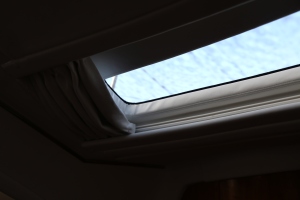
It was therefore a little bit of a surprise when the Moody finally arrived in Ipswich to find a distinctive damp smell and the bilges full of fresh water. The culprit was a window leak….all of them! So that explained the tarpaulin 🙂

Apparently this is a common fault in older Moody’s and it was IMG_3952not a difficult fix to reseal all of the windows. we sealed the outside of the windows with Sabatack® 720. The inside of the windows is accessible if you take down the headlining but initially we decided to just do the outside to start.

Three years later we have not had another leak from any of the windows despite some variations in hot and cold, a lot of rain and some green water over them.

Unfortunately the leaks had caused more damage to the headlining which was literally falling off in places because the water had got behind the headlining and the glue had failed but that was another day and another job.

Our first time on Mariadz as a Moody 54

It had been a long drawn out purchasing process which had only been made bearable by the cheerfulness and determination of John Rodriguez but after a tearful farewell to the Dufour we finally had our new baby. She had been brought back from the Solent in terrible weather and put into her new berth by our expert skipper.

Then a few hours later, Maria and I were on holiday.

We had to wait impatiently for two weeks until we could return to the boat. We decided that since she was quite a different boat to our Dufour that we would have a little help the first weekend we took her out by a man partially responsible for our choice – Martin Hubbard. Martin had taken us from virtual novices to confident skippers of our Dufour and has become a good friend. We recommend him to anyone and he is particularly good with couples where sometimes one of the people is a little more confident than the other – he makes sure everyone gets an appropriate amount of attention. So we told him our plans to have him on board for some “own boat tuition” on the new Mariadz and he told us to stop being ridiculous, we would be fine. So we insisted that he came out with us for a weekend. He agreed to come for a sail with us on the Saturday but expected that we would be fine by the Sunday.

Nervously we took Mariadz out for the first time. She handles completely different to the much lighter Dufour, with which we had grown confident. The Dufour was a little filly eager to change direction and show what she could do. The Moody was a young lady who was quite happy going in her current direction and needed to be asked politely if you would like her to go somewhere else. She felt purposeful and incredibly safe.

With Martin’s watchful eye over us, we took Mariadz into Ipswich lock and started to head down the River Orwell. A little manoeuvering practice gave us an idea of what we could expect.  It was a glorious day on a beautiful yacht. The wind was blowing about 20 knots. We decided to be safe, we would get the main and staysail up but not the Yankee because it was a little breezy and we wanted a pleasant experience on our first time. Mariadz loved it. imageShe was itching to show what she could do and even with limited sail we were sailing beautifully balanced at nearly 9 knots. At this point I should mention that the speed limit on this part of the river is 6 knots….under power 🙂 happy days. We passed Viking blue, from our pontoon who were out having been chartered. They saw us and took some photos, including the one above.

You couldn’t have found two happier people. We popped our nose out into the North Sea and decided to return to our home berth that night.  Not least of all because Martin was confirming he was right and that we did not need him for a second day to show us the ropes.

The first steps in our dream to sail the world had been taken

Coppercoat vs anti foul

In 2010, we bought our Dufour 455 and researched the benefits of coppercoat compared to antifoul.  Firstly, antifoul needs to be redone each year and this is a messy job.  In comparison, coppercoat has been successful for many years on different boats and needs a lot less work each year.  We were very happy with the results on the DuFour in the River Orwell and based inside the lock at Ipswich.  The boat, after a spray down, was always clean and whenever we had some growth on the hull when in the water, a quick blast down the river and out to sea was enough to clean her up again.image

So one of the first jobs we did once we bought the Moody 54, was to shot blast the hull to remove the old antifoul and then apply the coats of coppercoat.  With our long term travel plans, we thought about whether we would want to haul out and antifoul all the time and in the theory the annual maintenance on copper coat is a lot less than antifoul.

With the coppercoat, we can lift the boat, rekeying the coppercoat and then put her back in immediately.  This should keep the hull clean and make sure that she still goes through the water fast :).   It is expensive to apply and the key is to make sure that good weather is expected.  Putting on coppercoat in rain or cold conditions seems to be when there are significant issues.  We chose a favourable weather window and we have been very pleased with the results with Mariadz being one of the cleanest boats in Ipswich when she comes out of the water and is jet washed down.

Buying the Moody

So, we had our bad experience leaving Dunkirk in April 2012 and had to go back because of the bad weather.  The journey had been pretty bad and Maria spoke to Martin Hubbard about how we could move forward.  We had decided that we were keen to go around the world and had a read a number of books including an inspiring book called Sail Away by Nicola Rodriguez. This is a story of a normal couple with initially no knowledge of sailing who had taken the plunge and sailed a way for a year which had been extended for many years (and two boys!)image

A blue water cruiser can be expensive, especially a new one, and we wanted a boat that we would be comfortable in for a number of years.  Having looked at what was available, and likely to be within our budget, we didn’t think we could afford an Oyster, Hallberg Rassy or similar.  We felt that a Moody could be viable and started to look at these.

We initially looked at a 2007 Moody 49 called Mornin’ Gorgeous which was immaculate.  There was nothing that was needed on the boat and the only question mark was that she was blue hulled and we didn’t know whether this would be good in a hot climate all of the time.

I sent a note to Martin Hubbard asking whether he had an opinion on the Moody 49.  His response was that the “Moody 54 was a cracking boat….”.  At this stage I saw an advert for an older Moody 54 with JR Yachts. We were due to go and revisit the Moody 49 to make a final decision and I suggested that we combine an initial view of the 54 to help us make our final decision.  I spoke to John Rodriguez and arranged a viewing without telling Maria too much about the boat.  We visited Mornin’ Gorgeous who looked perfect.  This started to make me think.  As fantastic as this boat was, she was someone else’s dream and ideas.  As we found with the Dufour we liked to put a personal stamp on our boat and make her our own.

So after visiting Mornin’ Gorgeous, we drove the short distance to Swanwick to meet John and take a look at the older Moody 54.  One of my first questions for John concerned his surname. imageWe then found out that John is Nicola’s husband and so it immediately felt that we knew him since we had read so much about their sailing adventures. We have found John incredibly friendly and knowledgeable and are proud to consider him a friend.  One disadvantage is that John is very persuasive and every time we see him he tells us we have to set off now and not to leave it any longer! He is a very bad influence 🙂

So we arrive at Swanwick and the Moody 54 is out of the water, exactly the same as when we first viewed the Dufour. This means that we have to climb a ladder to get onto the deck – this wasn’t a good start for Maria but she likes Moodys and decides to climb the ladder.  John and I had a conversation and I explained that Maria will know immediately whether she likes the boat or not. I mentioned what had happened when we first went onboard the Dufour and Maria decided that was what she wanted. On deck we had to climb under a tarpaulin to get into the cockpit and then into the boat itself.  As soon as we stepped down into the saloon, she seemed palatial. The difference in the size of the saloon compared to the Dufour and even the smaller Moody was amazing.  There was a little bit of a musky smell but we put that down to the fact that the boat had not been used, or loved, for nearly eighteen months and expected that, like the Dufour, she would come back to life with some TLC.  Speaking to John, it was clear that we liked the boat a lot, and had decided that the potential offered by the larger Moody would let us put our own stamp on the boat. The name of her didn’t work for us since she was called Alice (Alice, who the f…. Is Alice 🙂 ).  That wasn’t a concern since we had already gone through a renaming ceremony for the Dufour, previously called Charley Farley (who comes up with these names 😉 ). The other key factor was that we had put the Dufour up for sale on the South Coast and this sale was a prerequisite for any offer being accepted on the smaller Moody.  mariaThe owners of the Moody were keen to have a deal and were prepared to take the Dufour as part exchange. With a little negotiation on price we were able to come up with a deal subject to surveys and finance. We were ecstatic.

The surveys are both fine and so we moved forward.  This was in April 2013 and we didn’t expect any further problems.  Unfortunately there were some problems with the marine loan and the lender made a number of stipulations and told us that we needed to comply with these within three months before they would reconsider our application.  This was crushing.  However we persevered, but had to stop the purchase until we had done everything required.

Three months later we were able to speak to the lender and got the green light and the deal was back on.

At this stage, we thought all the hard work had been done, we were so wrong.  Over the weeks, we had been close to John Rodriguez, but now we had to work really well together to push the sale over the line.  The Moody 54 had a varied background which had included a tour of boat shows and being registered in Malta. Unfortunately the documentation didn’t fully show the history and the lenders were not happy that they could prove the boat was VAT paid which would add a lot of money to the deal and would have been a deal breaker.  John worked really hard to make this work and after several weeks we were able to complete the sale.  Part of the deal was that we would have the Dufour delivered to the South Coast where we could pick up the Moody and return her to Ipswich.  Unfortunately work got in the way and we were unable to do this ourselves which we were really keen to do.  Having engaged a professional crew however we were able to bring the new Mariadz home 🙂


Home from Dunkirk (part 3 of 3) – successful

The day after our aborted trip to Ramsgate doesn’t start well from a weather perspective. We check a couple of weather forecasts and also speak to the harbour master.  The morning is a write off but there is an eight hour weather window with a little wind that we will be heading towards. This is followed by another nasty weather front coming in.

Having tested the engine the previous night we start the engine again and it is purring. We decide we will try to make the weather window rather than return to the UK by train and try to work out how we get the boat back – other friends of ours have not been so lucky in the past and it is a nightmare and costs a lot getting the boat back.
We’re making excellent progress motor sailing and the engine is running really well. It is quite an uneventful trip mist of the way home. We turn past Rough Towers, the old WW2 gun platform that is now a principality in its own right. The wind is now perfect and so I decide to have an hour with the engine off, thinking I didn’t want to push my luck.  This was a mistake.
We are now just outside Felixstowe where there are big ships moving around all the time. I decide it is time to switch the engine back on to turn into the wind and head up the river Orwell to home…..nothing. The starter is working fine but the engine won’t catch, I try five times and still nothing. Eventually, I decide to put the gearbox into neutral and start the engine with some revs. It starts but dies in seconds. I try again and it catches. Maria looks at me – this is not the “you’re my hero” look that i was hoping for bit more of I “told you not to switch the engine off” look. Needless to say the engine stayed on until we were back in our home berth!
We head up the river and it is a nice evening but yDSC_0287ou can start to see the first signs of the bad weather coming in. We race up the river at the speed limit (6 knots) trying to get in before the wind picks up. As we approach the lock, Maria takes over so that I can help Lisa prepare the boat. We come into the lock and Clive the lock – keeper is friendly as always. “You wouldn’t believe our weekend, we didn’t think we were going to get back!”. We tie up on B pontoon and everything is tidied up. Five minutes before the heavens opened. This was always a talent that the Dufour had, she could get in just before the rain. Every time.
As we walked away that night, Mariadz got a little tap and a thank you for seeing us safe all weekend. It had opened ours eyes to the dangers out there and given us a few extra things to check as part of our preparation to sail.
but it did get Maria thinking…..
dunkirk route

The return from Dunkirk (part 2 of 3) – pan pan